The Role of Optical Systems in Shaping Autonomous Vehicle Technology

Autonomous vehicles represent one of the most transformative innovations in modern transportation. These self-driving cars rely on a complex network of sensors, cameras, and algorithms to perceive and interpret their surroundings. At the heart of this technology lies optical systems, which enable vehicles to “see” the world with remarkable precision.

Through advanced optics, autonomous vehicles can detect obstacles, interpret traffic signals, and navigate safely without human input. As optical science advances, its integration into autonomous systems continues to push the boundaries of mobility, safety, and efficiency.

How Optical Systems Support Autonomous Driving

Optical systems are fundamental to the vision and perception layers of autonomous vehicles. They gather visual and spatial data, allowing the vehicle to build a detailed, real-time understanding of its environment. Several key technologies contribute to this process:

1. Cameras

High-resolution cameras capture visual information much like human eyes do. They help recognize lane markings, pedestrians, signs, and traffic lights. Vehicles typically use multiple cameras placed around the car to achieve a 360-degree view, enhancing depth perception through stereoscopic imaging.

2. LIDAR (Light Detection and Ranging)

LIDAR systems use laser pulses to measure distances and create precise 3D maps of the surroundings. These systems can detect objects even in low-light conditions, making them crucial for night driving or complex urban environments.

3. Infrared Sensors

Infrared (IR) technology helps vehicles detect heat signatures, allowing them to spot living beings—such as pedestrians or animals—even in darkness or fog. IR imaging enhances safety by extending visibility beyond the range of visible light.

4. Computer Vision Systems

Once visual data is captured, computer vision algorithms interpret it. These algorithms use pattern recognition and deep learning to classify objects, track their movements, and predict their behavior.

Key Components and Their Functions

An autonomous vehicle’s optical system integrates various components that work together seamlessly. Each plays a distinct role in ensuring accuracy, clarity, and reliability in data acquisition.

Lenses

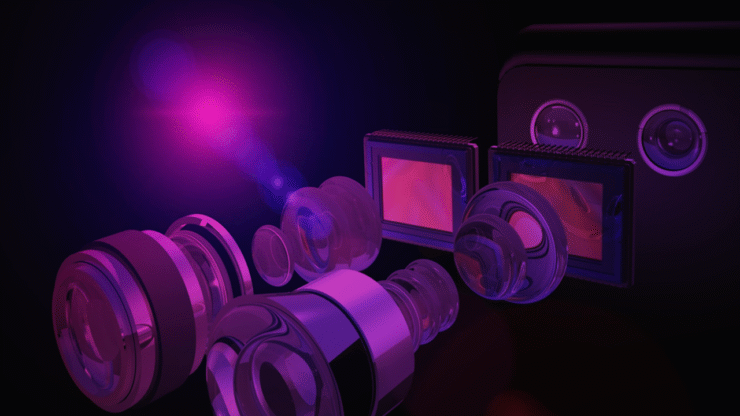
Optical lenses focus light onto sensors with high precision. Their design—focal length, curvature, and material—determines how well a system captures distant or close-range objects. Wide-angle lenses, for instance, are often used for front and rear cameras to maximize the field of view.

Mirrors

Specialized mirrors are used to redirect light within compact optical assemblies. In LIDAR systems, rotating mirrors enable scanning across multiple directions, helping create comprehensive 3D environmental maps.

Image Sensors

These are the “retinas” of optical systems, converting light into electronic signals. Complementary Metal-Oxide-Semiconductor (CMOS) sensors are widely used because they provide fast image processing and energy efficiency.

Optical Filters

Filters enhance the quality of captured data by blocking unwanted wavelengths, such as glare from sunlight. They ensure that sensors receive clear and relevant information for processing.

Optical Fibers

In certain vehicle architectures, optical fibers transmit data or light signals between components without electromagnetic interference, maintaining signal integrity in noisy environments.

These components must be meticulously aligned and calibrated to achieve optimal performance. Even slight misalignments can affect image quality or sensor accuracy, highlighting the precision required in optical engineering for autonomous systems.

Future Trends and Innovations

The future of optical systems in autonomous vehicles is bright and rapidly evolving. Several trends are shaping the next generation of automotive optics:

1. Sensor Fusion

Instead of relying on a single sensor type, autonomous vehicles increasingly use sensor fusion—combining data from cameras, radar, and LIDAR to create a unified perception model. This integration improves accuracy and resilience under challenging conditions.

2. AI-Powered Vision Systems

Artificial intelligence and deep learning are enhancing optical data interpretation. Advanced neural networks can distinguish between thousands of object types and predict movement patterns, making decision-making faster and safer.

See also : Smarter Headlights: How Adaptive Lighting Transforms Modern Driving

3. Solid-State LIDAR

Traditional LIDAR systems use moving parts for scanning, but solid-state designs remove these components, increasing durability and reducing cost. Compact solid-state LIDARs are expected to become standard in future vehicles.

4. Quantum and Holographic Optics

Emerging optical technologies such as holographic sensors and quantum imaging promise ultra-high sensitivity and resolution, potentially allowing vehicles to “see” around corners or through fog.

5. Energy Efficiency and Miniaturization

Engineers are also working to make optical systems smaller, lighter, and more energy-efficient. Advances in materials like metasurfaces and nanophotonics will enable powerful optics in compact designs.

6. Integration with V2X Communication

Optical systems may soon collaborate with Vehicle-to-Everything (V2X) communication technologies, allowing cars to exchange optical data with traffic lights, infrastructure, and other vehicles for synchronized driving.

Together, these innovations signal a future where optical systems are not just tools for perception, but intelligent agents capable of real-time collaboration and adaptation.

Optical systems play an indispensable role in the evolution of autonomous vehicles. As research continues to refine optical performance and integrate it more deeply with intelligent systems, the dream of fully autonomous vehicles is moving closer to everyday reality—powered by the precision and insight of modern optical science.

Frequently Asked Questions

What are optical systems in autonomous vehicles?

They are visual and light-based technologies like cameras, LIDAR, and sensors that help cars perceive their environment.

Why are optical systems important?

They enable vehicles to detect obstacles, read signs, and navigate safely.

How does LIDAR work?

It uses laser pulses to measure distances and create 3D maps.

What are the main challenges?

Weather, glare, and data overload can reduce accuracy.

Are optical systems expensive?

Yes, especially LIDAR, though costs are dropping.

Top 10 Universities for Optical Science and Engineering Degrees Worldwide

In the modern technological era, Optical Science plays a central role in innovations that shape how we communicate, diagnose diseases, and explore the universe. From fiber-optic communication and laser technology to medical imaging systems and quantum photonics, optical science fuels advancements across multiple disciplines.

As industries increasingly rely on light-based technologies, the demand for professionals trained in optical science and optical engineering has surged, making this field an exciting and future-proof area of study.

Universities for Optical Science Degrees

Below are ten of the world’s leading universities recognized for excellence in optical science education, cutting-edge research, and outstanding career opportunities for their graduates.

1. University of Rochester – Institute of Optics (USA)

Location: Rochester, New York

Academic strengths: Established in 1929, the Institute of Optics is one of the first academic centers dedicated solely to optics. It offers specialized degrees at all levels focusing on optical design, lasers, imaging, and photonics.

Research facilities: The university hosts advanced labs for optical fabrication, laser energetics, and imaging science.

Career opportunities: Graduates are sought after in industries related to optics manufacturing, defense technologies, and optical instrumentation.

2. Stanford University – Department of Applied Physics (USA)

Location: Stanford, California

Academic strengths: Stanford is renowned for its interdisciplinary approach, combining optical science with applied physics and electrical engineering.

Research facilities: The Stanford Nanofabrication Facility supports research in nanophotonics, integrated optics, and quantum light systems.

Career opportunities: Alumni frequently enter tech giants, startups, and national research centers focused on optical technologies and quantum computing.

3. Massachusetts Institute of Technology (MIT) – Research Laboratory of Electronics (USA)

Location: Cambridge, Massachusetts

Academic strengths: MIT emphasizes innovation and application, with optical science integrated into its electrical engineering and materials programs.

Research facilities: The Research Laboratory of Electronics and Microphotonics Center lead projects in laser development, optical communications, and photonic integration.

Career opportunities: Graduates often pursue roles in R&D, data communications, imaging technology, and academic research.

4. University of Arizona – College of Optical Sciences (USA)

Location: Tucson, Arizona

Academic strengths: One of the largest optical science colleges worldwide, known for hands-on optical engineering and imaging science programs.

Research facilities: Equipped with cutting-edge labs for optical metrology, lens design, and adaptive optics, plus collaborations with major observatories.

Career opportunities: Alumni find roles in aerospace, defense, medical imaging, and telescope design.

See also : Exploring Career Growth in Optical Engineering

5. Imperial College London – Department of Physics (UK)

Location: London, England

Academic strengths: Imperial is a European leader in photonics, fiber optics, and laser systems. The program bridges fundamental physics with practical applications.

Research facilities: Home to the Photonics Research Group and extensive collaborations with European industry partners.

Career opportunities: Graduates often join telecommunications, biomedical optics, and energy-related industries across the UK and Europe.

6. Tsinghua University – Department of Electronic Engineering (China)

Location: Beijing, China

Academic strengths: Tsinghua’s optical science program combines rigorous theoretical study with practical applications in optoelectronics and laser technology.

Research facilities: Supported by national laboratories focusing on integrated photonics and optical communications.

Career opportunities: Graduates lead in Asia’s rapidly expanding sectors like telecom, semiconductor optics, and quantum photonics research.

7. University of Southampton – Optoelectronics Research Centre (UK)

Location: Southampton, England

Academic strengths: A global leader in photonics and fiber optics research. The Optoelectronics Research Centre (ORC) pioneered key technologies in laser and optical fiber development.

Research facilities: Extensive fiber fabrication facilities and high-power laser labs used by both students and industrial partners.

Career opportunities: Graduates often join companies specializing in optical communications, photonic devices, or defense research.

8. University of California, Santa Barbara (UCSB) – Materials & Electrical Engineering (USA)

Location: Santa Barbara, California

Academic strengths: UCSB integrates materials science with optical engineering, emphasizing photonic materials, semiconductor lasers, and integrated optics.

Research facilities: The California NanoSystems Institute supports interdisciplinary research in quantum photonics and optical nanostructures.

Career opportunities: Alumni find positions in leading photonics firms, semiconductor companies, and startups developing laser-based devices.

9. California Institute of Technology (Caltech) – Division of Physics, Mathematics, and Astronomy (USA)

Location: Pasadena, California

Academic strengths: Caltech offers a highly research-focused program with deep exploration in laser physics, optical instrumentation, and fundamental photonics.

Research facilities: Access to the Kavli Nanoscience Institute and collaborations with NASA’s Jet Propulsion Laboratory for space-based optical systems.

Career opportunities: Many graduates pursue advanced research or join aerospace and high-tech companies developing next-generation optical systems.

10. University of Cambridge – Cavendish Laboratory (UK)

Location: Cambridge, England

Academic strengths: Cambridge provides a strong foundation in optical physics, quantum optics, and imaging technology, blending theory with experimental methods.

Research facilities: The Cavendish Laboratory and Nanophotonics Centre offer world-class environments for optical research.

Career opportunities: Graduates often pursue academic research, work in imaging and photonics startups, or join international technology firms.

As global industries continue to depend on light-based technologies for data transmission, sensing, and energy, experts in optical science and engineering will remain in high demand. With the right mix of technical expertise and creative vision, graduates in optical science will continue to illuminate the future of technology and discovery.

Frequently Asked Questions

What is Optical Science?

Optical Science studies how light behaves and interacts with matter, forming the foundation for technologies like lasers, imaging, and fiber optics.

Which universities are best for Optical Science?

Top institutions include the University of Rochester, MIT, Stanford, University of Arizona, Imperial College London, and Tsinghua University.

What careers can graduates pursue?

Graduates work in photonics, telecommunications, aerospace, defense, and medical imaging.

Is Optical Science highly technical?

Yes, it involves physics, mathematics, and engineering skills.

Why study Optical Science now?

Because light-based technologies drive innovation in communication, healthcare, and quantum research.

Top Skills Every Optical Design Specialist Should Master

Optical design has become a cornerstone of modern technology, driving innovations in fields such as telecommunications, imaging systems, autonomous vehicles, and photonics. Behind every sophisticated lens, telescope, or fiber-optic network lies the expertise of an optical design specialist—a professional who combines physics, engineering, and creativity to transform abstract concepts into practical optical systems.

To excel in this demanding field, one must develop a solid blend of technical and soft skills that ensure precision, innovation, and collaboration across multidisciplinary teams.

Core Technical Skills in Optical Design

The main skills that an optical design specialist must have include:

1. Proficiency in Optical Simulation and Ray Tracing

Ray tracing is at the heart of optical design. It allows specialists to predict how light rays will travel through a system of lenses or mirrors. By simulating these interactions, designers can optimize the performance of optical systems before building physical prototypes.

Software such as Zemax OpticStudio, Code V, and LightTools provides advanced tools for modeling complex optical behavior, from aberration control to illumination uniformity. A strong command of these programs helps specialists test multiple design scenarios, adjust parameters, and identify potential performance issues early in the process.

2. Mastery of Optical Design Software

Beyond ray tracing, modern optical engineers rely heavily on software to streamline their workflows.

  • Zemax OpticStudio excels in lens system optimization and tolerance analysis.
  • Code V offers powerful optimization algorithms and manufacturing support features.
  • LightTools specializes in illumination design for LED lighting, displays, and automotive systems.

Proficiency in at least one of these tools is essential, but familiarity with all three can provide a major competitive advantage. Understanding scripting languages such as MATLAB or Python for automation can also enhance productivity and data analysis.

3. Understanding Optical Materials and Manufacturing Constraints

Selecting the right optical material is crucial. Glass, plastic, and crystal materials all have distinct refractive indices, dispersion properties, and temperature sensitivities. Specialists must know how these factors influence light transmission and system performance.

Additionally, understanding manufacturing tolerances—the small deviations that occur during production—is vital. Designers need to create systems that maintain performance despite these imperfections. A practical understanding of fabrication processes, such as lens molding, coating deposition, and surface polishing, helps ensure that designs can be realistically produced at scale.

4. System Optimization and Performance Analysis

Optimization is the iterative process of refining a design to meet multiple performance objectives—sharpness, efficiency, weight, and cost. Optical design specialists use merit functions and multi-variable optimization algorithms to fine-tune curvature, spacing, and material combinations.

Equally important is the ability to interpret Modulation Transfer Function (MTF), encircled energy, and spot diagrams, which measure how well a system focuses or transmits light.

See also : Top 10 Universities for Optical Science and Engineering Degrees Worldwide

5. Integration with Mechanical and Electronic Systems

In many modern products, optical systems are integrated with electronic sensors and mechanical housings. For instance, a camera lens must align precisely with its image sensor to ensure sharp focus and minimal distortion. Optical design specialists therefore collaborate closely with mechanical and electronic engineers to ensure that alignment tolerances, heat management, and assembly constraints are well accounted for.

Essential Soft Skills for Optical Designers

While technical expertise is indispensable, soft skills often determine how effectively a specialist contributes within a team or leads a project.

1. Communication and Collaboration

Optical systems rarely exist in isolation—they are part of larger mechanical, electronic, or software-driven products. Clear communication allows optical designers to translate complex optical jargon into actionable insights for cross-functional teams. Collaboration also extends to suppliers and manufacturers, ensuring that production aligns with design intent.

2. Analytical Thinking and Problem-Solving

Optical design is a highly iterative process. Unexpected aberrations, tolerance stack-ups, or material inconsistencies can arise at any stage. A strong analytical mindset enables specialists to diagnose issues quickly and find practical, physics-based solutions. The ability to think critically and approach challenges creatively often distinguishes a competent designer from an exceptional one.

3. Continuous Learning and Adaptability

Optical technology evolves rapidly with the advancement of materials science, nanofabrication, and computational imaging. Specialists must stay updated with new methods, such as freeform optics, metasurfaces, and computational holography. Engaging in professional development, attending technical conferences, and reading scientific journals are excellent ways to remain competitive in the field.

4. Attention to Detail and Precision

Optical systems depend on accuracy down to microns. A small deviation in curvature or alignment can drastically degrade performance. Successful optical design specialists exhibit exceptional attention to detail—verifying every parameter, simulation setting, and tolerance specification before finalizing a design.

Optical design specialists play a vital role in advancing technologies that shape our modern world—from precision medical instruments to high-speed communication systems and advanced imaging devices. As industries increasingly depend on light-based innovations, those who cultivate these essential skills will not only design better optical systems but also illuminate the path toward a more connected, intelligent, and visually dynamic future.

Frequently Asked Questions

What does an optical design specialist do?

They design and optimize systems that manipulate light—like lenses, sensors, and lasers—used in imaging, communication, and photonics.

What software is essential for optical designers?

Key tools include Zemax OpticStudio, Code V, and LightTools for ray tracing and system analysis.

Are programming skills necessary?

Yes, basic scripting in MATLAB or Python helps automate simulations and analyze data.

What industries hire optical specialists?

Telecommunications, aerospace, medical imaging, and consumer electronics.

Which soft skills matter most?

Communication, problem-solving, and collaboration.

How can one advance in this career?

By mastering technical tools, staying updated, and gaining interdisciplinary experience.

Exploring Career Growth in Optical Engineering

Optical engineering has become a multidisciplinary field, combining physics, materials science, electrical engineering, and computer science, especially in today’s technological era. Professionals in this field not only design optical instruments but also develop advanced imaging systems, sensors for autonomous vehicles, and photonics-based communication systems.

This article will discuss career growth in optical engineering and provide tips you can apply to help your career grow.

The Expanding Role of Optical Engineers

The role of optical engineers has expanded far beyond traditional applications like lens design and laser technology. With the global growth of photonics and optics-based innovations, engineers are now contributing to fields such as augmented reality, biomedical imaging, defense systems, and quantum computing.

For instance, in the healthcare industry, optical engineers are behind devices like endoscopes, laser-based medical tools, and diagnostic imaging systems. In telecommunications, they help develop faster, more reliable fiber-optic networks. The increasing use of optical sensors in autonomous vehicles also demonstrates how optical engineering supports safer transportation technologies.

This diversification means that career opportunities for optical engineers continue to grow, making it a highly dynamic and rewarding field for those passionate about light-based technology.

Emerging Trends Driving Growth

Several emerging trends are shaping the future of optical engineering careers:

1. Photonics and Quantum Technology

Photonics, the science of light generation and manipulation, is at the heart of new communication and computing technologies. Engineers with expertise in this area are increasingly in demand by research institutions and tech companies.

2. Optical Sensors and Imaging

As industries adopt automation and artificial intelligence, optical sensors play a key role in data collection and environmental monitoring. From drone-based imaging to medical diagnostics, engineers who can design efficient, high-resolution sensors are essential to innovation.

3. AR, VR, and Metaverse Technologies

The development of augmented reality (AR) and virtual reality (VR) devices relies heavily on optical systems that can produce lifelike visuals. Optical engineers are needed to design compact, lightweight, and precise components that enhance user experience in AR/VR headsets and other wearable devices.

4. Sustainable Optical Materials

With increasing awareness of environmental sustainability, researchers are focusing on eco-friendly materials for optical devices. Engineers working on developing durable and recyclable materials for lenses, filters, and sensors are contributing to a more sustainable future in tech manufacturing.

Career Paths in Optical Engineering

Optical engineering offers a variety of career paths across industries. Depending on one’s specialization and interests, here are some common roles:

Optical Design Engineer

Focuses on designing lenses, mirrors, and other components for cameras, telescopes, or sensors.

Laser Engineer

Works on developing laser systems for medical, industrial, or research applications.

Photonics Engineer

Specializes in systems that generate and manipulate light for communication or sensing technologies.

Imaging Systems Engineer

Designs and improves imaging devices used in healthcare, security, and space exploration.

Research Scientist

Conducts studies in optical materials, photonics, and quantum optics, often in universities or government labs.

See also : Top Skills Every Optical Design Specialist Should Master

Optoelectronics Engineer

Integrates optical systems with electronic circuits, such as in fiber-optic communication or display technology.

Skills Required for Career Advancement

To excel in optical engineering, professionals need a blend of technical and soft skills. Technical skills typically include:

  • Strong foundation in physics and optics – understanding light behavior, diffraction, and refraction.
  • Proficiency in design software such as Zemax, Code V, or COMSOL for optical simulations.
  • Knowledge of materials science, especially for developing advanced lenses and coatings.
  • Familiarity with electronics and programming, especially for working with integrated optical systems.

Tips for Career Growth in Optical Engineering

To improve your career growth, especially if you want to become a senior engineer or project manager, here are some tips you can use as a reference:

Stay Curious and Keep Learning

Optical engineering evolves rapidly; staying informed about new tools, materials, and theories is key to long-term success.

Gain Interdisciplinary Skills

Combining optics with AI, nanotechnology, or software development can open unique career opportunities.

Work on Real Projects

Hands-on experience through internships or research projects helps develop problem-solving skills that employers value.

Build a Professional Network

Connecting with mentors and peers through conferences or online communities can lead to collaborations and job opportunities.

Pursue Specialization

Developing deep expertise in a niche area, such as laser design or biomedical optics, can make you a sought-after expert in that field.

The Future of Optical Engineering Careers

As technology continues to evolve, optical engineers will remain at the center of many transformative innovations. From revolutionizing global communication through fiber optics to advancing precision medicine, the impact of optical engineering is far-reaching. The rise of quantum computing, AI-integrated imaging, and sustainable optical materials ensures that demand for skilled engineers will continue to grow.

Those who combine technical expertise with creativity and adaptability will find endless opportunities to shape the future of light-based technologies. In essence, optical engineering offers not just a career—but a path to innovate, discover, and illuminate the world.

Frequently Asked Questions

Which industries hire optical engineers?

Telecommunications, healthcare, defense, automotive, and consumer electronics.

Do I need a master’s degree?

Not always, but it helps for research or specialized positions.

Which software should I learn?

Zemax, Code V, MATLAB, and COMSOL are essential tools.

Is programming important?

Yes, especially for automation and optical simulations.

How can I advance my career?

Gain certifications, attend conferences, and build interdisciplinary skills.

Finding the Perfect Coat: Comparing Today’s Top Lens Coatings

The optical industry has changed quickly, and it now offers more than just basic glass or plastic lenses. These days, every well-known brand provides a range of cutting-edge coatings, each of which promises a unique answer to a certain visual issue. With the correct coating, problems like nighttime driving glare or screen fatigue can be resolved.

It’s critical to differentiate coatings that are merely extra features from those that actually improve optical performance. Anti-reflective coatings, for instance, can greatly increase contrast and lessen glaring reflections. To assist you in selecting the coating formulation that best fits your lifestyle and particular visual requirements, this article will compare popular coating formulations.

6 Comprehensive Lens Coating Technology Comparisons

Today, selecting the best eyeglass lenses involves considering coating technology in addition to vision correction. Understanding the various kinds of lens coatings is crucial since they each have unique advantages. Less familiar lens coating systems will be compared in general in the discussion that follows.

1. Standard lenses and ultraviolet protective coatings

Without any extra coatings, regular eyeglass lenses basically only correct eyesight. Sadly, these glasses have no defense against damaging UV rays and often reflect too much light.

The use of an ultraviolet protective layer, however, is a significant advancement. By acting as a shield, this thin layer successfully prevents UV radiation that is invisible from entering the eyes. Selecting lenses with UV coatings is a smart move to keep your health in check.

2. Both non-mirror and mirror coatings

The purpose of non-mirror coating is to enhance the quantity of light that may pass through. For work requiring a high level of detail or accuracy, this guarantees the best possible visual acuity and color contrast.

Conversely, mirror coating reduces brightness by reflecting some of the light, which lowers the overall quantity of light that reaches the eye. This has the benefit of being comfortable in direct sunshine. Non-mirror coating is a superior option in low light.

3. Non-coated lenses and anti-fog coating

Anti-fog coatings, often referred to as anti-fog coatings, have become a modern answer to the fogging issue that many people who wear masks and glasses encounter, particularly in extremely hot or cold weather. By uniformly dispersing water vapor into an extremely thin layer, these lenses provide clear vision and reduce the chance of collisions while driving.

In contrast, uncoated lenses lack this protection, which leads to the accumulation of water vapor on the surface in the form of big droplets. The user’s comfort and safety throughout regular tasks are strongly impacted by this fundamental difference, particularly in cold or humid environments.

4. Comparing hydrophobic and non-hydrophobic coatings

When comparing hydrophobic and non-hydrophobic coatings, lens coating technology is now a critical component of visual quality. Cleaning uncoated lenses every day is a pain because they frequently fog up and get contaminated with water.

Hydrophobic coatings, on the other hand, work well to repel liquids and transform water droplets into tiny, spherical shapes that are easy to remove. By lowering friction during cleaning, this effect not only helps preserve image quality when wet but also increases the lens’s lifespan, adding value over time.

5. Neutral lenses and color-enhancing coating

Our perception of the world has been altered by lens coating technologies, particularly when contrasting neutral and color enhancement coatings. Coatings for color enhancement are made especially to improve contrast and add richness to particular color spectrums. Usually, this makes things look crisper and brighter.

Neutral lenses, on the other hand, seek to correctly and distortion-free maintain the environment’s natural hues. The user’s preference—whether they want more accurate color reproduction or brighter colors—will determine which of these two lens types they choose.

See also : Precision Tools: The Must-Have Optical Devices for Professionals

6. Polarized and non-polarized coatings

Polarized lenses work similarly to tiny blinds that are positioned vertically inside the lens material. Strong glare is produced when sunlight gets horizontally polarized as it bounces off a flat surface. These horizontal light waves are deliberately blocked by polarized filters, so that only the healthy vertical light reaches your eyes. Particularly in extremely bright sunlight, this leads to improved eyesight and a significant reduction in eye strain.

Non-polarized lenses offer their own benefits as well. Effectively reducing glare is their main purpose. In the event that the lenses include a UV protective coating, they shield the eyes from UV rays and lessen the intensity of arriving light. They are thus sufficiently at ease in a variety of light environments. Furthermore, there is no risk of visual impairment from using digital screens.

In conclusion, the strength and ability to lessen reflections are the two main distinctions between lens coatings. It is evident that multi-layer technology outperforms single-layer technology in terms of anti-reflection.

The various needs of the user have a big impact on the technology selection, whether it’s for daily use where scratch resistance is crucial or professional photography that demands the best light transmission. The amount of money spent should match the aesthetic advantages that are offered.

Frequently Asked Questions

What is ultraviolet protection on lenses mostly used for?

UV protection effectively prevents damaging UV rays from getting into your eyes by acting as a thin coating.

How do lenses that have anti-fog protection work?

In order to keep fog from forming, anti-fog protection evenly distributes moisture into a very thin layer.

At what point do color-enhancing lenses outperform neutral ones?

Enhancing contrast and quality within a certain color spectrum is the preferred use for color-enhancing protection.

Is there a disadvantage to wearing polarized lenses?

Indeed, in contrast to non-polarized glasses, there is a chance of visual disturbances when using digital screens.

Precision Tools: The Must-Have Optical Devices for Professionals

Accurate optical instruments are now a need rather than a luxury for experts in a variety of fields. Consider a forensic scientist examining evidence or a landscape designer who must calculate slopes to the closest millimeter. Every measurement and observation is carried out with a high level of precision thanks to instruments like stereoscopic microscopes and optical levels.

Precise optical instruments, like spectrometers and infrared cameras, provide detailed visual analysis by exposing features that are not visible to the human eye. Purchasing this equipment is an investment in your work’s dependability and caliber. This dependability of outcomes is what separates genuine specialists in their field from regular employees and fosters trust among consumers and industry authorities.

5 Best Optical Devices for Professionals

Good work performance is closely linked to optimal vision quality. Imagine losing concentration while working on an important report simply because of glare or dry eyes. This is a key reason why professional workers need to consider the best optical devices available on the market. Here are some examples of optical devices known for their reliability and frequently used by professionals in their workplaces.

1. Blue light-blocking specs

Anti-blue light glasses are becoming more than simply an accessory for professionals who spend a lot of time in front of screens. These eyeglasses are made especially to lessen exposure to the dangerous blue light that is released by tablets, smartphones, and PCs. Increased eye comfort, less fatigue, and a markedly lower risk of eye strain headaches are the obvious outcomes.

These glasses’ ability to maintain crisp focus and clarity of vision makes them a crucial tool for increasing productivity in day-to-day tasks. Consequently, purchasing these glasses is a smart move if you want to preserve your eye health and productivity over the long run. They promote peak performance without sacrificing health.

2. Portable digital microscopes

For specialists who need to conduct in-depth field inspections, portable digital microscopes have become a cutting-edge optical option. These little devices get beyond the drawbacks of large, traditional lab microscopes. From geologists to electronics specialists, technical personnel can swiftly detect issues thanks to the high magnification capabilities and immediate digital image output.

They are extremely useful due to their portability to isolated or cramped areas. Decisions based on microdata can now be made directly on the jobsite, greatly increasing diagnostic precision. The visual evidence provided by these microscopes expedites the approval and validation process rather than depending on arbitrary verbal explanations. Standardizing technological communication amongst teams has advanced significantly with this.

3. Telescopes for inspection

Inspection telescopes offer a cutting-edge non-destructive technique for civil engineers and construction specialists. These optical tools can be placed through tiny holes in concrete constructions to examine the strength of steel reinforcement or find leaks without causing damage. In this manner, existing structures or bridges can have their structural integrity examined without interfering with their functionality.

Large-scale infrastructure projects benefit from safer and more informed decision-making made possible by the accuracy and speed of problem detection provided by inspection telescopes. By using this method, experts can precisely pinpoint issues and schedule necessary fixes, preserving maintenance’s time and financial effectiveness.

4. Loupes for professional healthcare workers

The quality of the optical equipment utilized has a significant impact on the success of microsurgical procedures. The ability to detect tiny blood vessels or nerve fibers clearly with loupes can make the difference between a successful and unsuccessful surgery. These instruments are also used extensively by dermatologists and ophthalmologists for in-depth examinations, in addition to surgeons.

In minimally invasive surgery, the use of loupes greatly increases the accuracy of procedures like implant placement and tight suture. High levels of precision allow doctors to work with patients, lowering the possibility of mistakes and accelerating their recuperation. A crucial first step in improving clinical results and upholding one’s professional reputation is purchasing high-quality loupes.

See also : Finding the Perfect Coat: Comparing Today’s Top Lens Coatings

5. Mirrorless and DSLR cameras with optically precise lenses

In the realm of e-commerce and product photography, meticulousness is essential. The incredibly crisp macro lens on a DSLR camera may clearly capture the texture of objects, fabric strands, or jewelry details. For uploaded images to accurately depict the actual goods, the lens’s capacity to reproduce color is essential. This boosts customer confidence and lowers refunds.

A good lens can manage the stark contrast between a bright window and a dark location while maintaining the details in both. Planning future projects, presenting them to clients, and developing a portfolio all depend on accurately capturing this area. Brand iconography on business websites, yearly reports, and professional media profiles is greatly influenced by these high-quality photos.

Clearly, professionals need optical equipment for more than just vision correction. Reducing eye strain requires the use of premium anti-glare coatings. For everyday use, choose a frame design that is both strong and lightweight. Making the right choice ensures that you will remain focused throughout the workday.

Frequently Asked Questions

For professionals, what are the primary advantages of blue light-blocking lenses?

By lowering screen blue light exposure, these lenses can lessen eye strain and increase comfort when working for extended periods of time.

What is the purpose of inspection telescopes used by civil engineers?

Without causing any harm to already-existing structures, these tools are used to check concrete constructions, like reinforcing steel, for leaks.

What function do loupes serve in surgery?

Loupes increase the visibility of small blood vessels or nerve fibers, which increases the accuracy of microsurgical techniques.

Why are portable digital microscopes necessary for geologists?

They can conduct in-field, high-magnification, thorough inspections thanks to portable microscopes.

The Lens of the Future: Key Insights Driving the Optical Industry

The optical sector is leading the way in innovation at the moment due to rapidly advancing technology and shifting consumer demands. Lenses that avoid eye issues and integrate with digital technologies are becoming more popular than just vision correction. Important conclusions show that artificial intelligence-powered product personalization is essential.

From blue light exposure to various eye needs, consumers are requesting solutions that are tailored to their lives. Any business hoping to remain relevant and take the lead in a market that is becoming more and more competitive must comprehend these tendencies. Important facts concerning the worldwide optical industry market that you should be aware of are covered in the text that follows.

4 Crucial Insights into the Worldwide Optical Industry Market

Current technical developments and heightened global awareness of eye health are causing major changes in the global optical business. Any business owner hoping to survive and prosper must have a solid understanding of this market; it is not an option. Thus, in the thorough discussion that follows, let’s examine the numerous crucial facts you should be aware of regarding the global market for the optical business.

1. Steady expansion of worldwide industry

Due to an increase in visual issues, especially in developing nations, the market for the optical industry is expanding steadily and promisingly on a global scale. This consistent expansion includes the contact lens market and high-end sunglasses in addition to the demand for traditional corrective eyeglasses. The aging of the world’s population and growing public awareness of the significance of eye health are the main causes of this phenomenon.

The industry is a reliable investment opportunity since investors and business owners can rely on a stable foundation and minimal risk of fluctuations due to the growing need for vision correction globally. The market will continue to expand in a targeted way and be propelled by cutting-edge innovation thanks to this trend, which also presents important potential for businesses that prioritize research and development.

2. The Impact of Style and Beauty on Eyewear

Fashion trends are having a bigger impact on the global optical sector, turning eyewear from a functional requirement into a major fashion statement. Eyeglass frames are becoming a distinctive accessory thanks to partnerships between internationally recognized designers and eyewear companies. This change shows that visual elements are much more significant than just vision correction.

According to market research, buyers are prepared to pay more for frames that express who they are and adhere to current styles, like large shapes or striking hues. This demonstrates the close ties between the global luxury fashion industry and the eyeglasses sector. To make sure their goods stay relevant to the quick changes in fashion cycles, the worldwide optical business must thus continue to closely monitor fashion events and influencers.

3. The Growth of Online Sales

The notable rise in online sales, which was driven by changes in consumer purchasing habits after the COVID-19 outbreak a few years ago, is another important indicator of how the worldwide optical industry is evolving. These days, consumers can compare the costs and styles of eyeglasses from several companies without ever leaving their homes thanks to e-commerce sites.

Data indicates that client loyalty to particular digital platforms has been strengthened by the convenience of automatically placing recurrent contact lens orders. It is essential for business owners to comprehend how rapid delivery systems and platform algorithms operate. A rapidly expanding market is lost if these digital avenues are ignored.

See also : Frame Your Success: Modern Marketing Strategies for Optical Business

4. The Importance of The Kids and Teens Segment

The growth of the optical sector globally nowadays is also greatly influenced by the children and teen market. The prevalence of vision issues, especially myopia, has dramatically increased due to the development in digital activities, such as the widespread use of devices for leisure and education. Because of this, there is a steady, non-cyclical demand for glasses, contact lenses, and routine eye exams.

In order to provide items that are not only corrective but also long-lasting, fashionable, and equipped with blue light-blocking technology, manufacturers must now innovate. Driving the creation of safer and more aesthetically pleasing designs and materials is the responsibility of this category. A crucial component of success in this fiercely image-conscious sector is the capacity to anticipate and react to young fashion trends.

It is evident from this analysis’s conclusion that the global optical market is situated at the nexus of expanding demands for eye health and innovation. An increasing aging population and more time spent in front of screens, which exacerbates myopia, are the two main causes of this expansion, according to important findings. Companies in this field should concentrate on developing more sophisticated anti-glare coatings and smart lens technologies.

Additionally, tele-ophthalmology is revolutionizing the delivery of care by increasing accessibility in remote locations. The ability of industry participants to combine technological innovation with the delivery of morally sound and reasonably priced eye health services globally will be crucial to their future success.

Frequently Asked Questions

What are the primary drivers of the optical industry’s consistent global growth?

The rising prevalence of vision impairment globally and rising public awareness of eye health are the main drivers of this sector’s growth.

What impact have fashion trends had on the eyeglasses market?

Customers are now willing to pay more for stylish frames since glasses have evolved from a practical requirement to a fashion accessory.

What role has e-commerce played in this change in the optical sector?

The simplicity with which customers may compare costs, choose styles, and place repeat orders for contact lenses has led to a sharp rise in online sales.

What are the biggest obstacles to optical companies’ continued relevance?

Globally, businesses must be able to integrate modern technologies with morally sound and reasonably priced eye care services.

Frame Your Success: Modern Marketing Strategies for Optical Business

Optical establishments can no longer draw clients with a physical presence alone in this fast-paced digital era. These days, optical companies must modify their marketing plans to accommodate increasingly tech-savvy consumer behavior. Your ability to reach your audience through the right means is just as important to success as the caliber of your lenses or frame choices.

Additionally, using trustworthy micro-influencers in the fashion and health industries can be significantly more successful than extensive advertising. Reaching market segments that require individualized attention is made easier with this tangible step. Comprehending the most recent frame trends is equally as crucial as comprehending the operation of social media algorithms.

5 Effective Marketing Techniques for Retail Optical Businesses

Retail optical companies can no longer depend only on a superior location or the newest frame collection in a market that is becoming more and more competitive. Today, a well-coordinated marketing strategy that puts the consumer experience first will determine your success to a considerable extent. Here are some successful marketing strategies you may use to do this.

1. Create a Powerful Brand Identity

In the face of intense competition, developing a strong brand identity is crucial to the success of your optical retail company. This brand should include the special promise you give to your clients, not merely a price tag and a sign. A distinct brand identity makes it easier to set your optical store apart from the competition, resulting in immediate recognition and enduring customer loyalty.

Social networking can also help you become more visible in businesses. Make eye-catching pieces with excellent, polished visuals that appeal to your readers. To strengthen your brand identification and convert your followers into devoted consumers, keep your tone of voice constant throughout all of your online communications.

2. Optimize Social Media with Educational Content

Social media must be a useful information resource for optical companies. Simple directions on how to properly clean lenses or visuals that clarify eyeglass myths and facts are examples of educational content. You can establish trusting relationships with potential clients by continuously providing benefits without requesting a purchase.

Social media acts as a link between the public’s information demands and your professional experience. Your optical company name will therefore be the first that comes to mind when they require eye care services. Since establishing trust requires ongoing investment, this approach is significantly more successful than pushy sales techniques.

3. Work Along with Bloggers or Influencers

Your optical company can take use of the power of visual storytelling by using this collaboration strategy. Since they are so noticeable, glasses appear best when worn in a genuine, stylish setting. Influencers are able to create excellent photo or video material, showcasing frames in an artistic manner and proving that they work well with different face forms.

Additionally, bloggers with a health focus can talk about particular lens features like progressive lenses or blue light protection. This gives promotional materials an educational component and establishes your optical brand as a reliable authority in the field of eye care. For items to appeal to consumers who want both design and functionality, content that combines style with precise technical details is essential.

4. Offer Guarantees and Post-Purchase Assistance

Providing warranties is a crucial first step in establishing trust in the optical sector. Extended warranty terms for high-end products or a high satisfaction guarantee in the event that prescription glasses become uncomfortable are examples of effective marketing strategies. These deals remove any doubt in the minds of customers, particularly when selecting pricey progressive lenses or coatings.

Professional eyeglass cleaning or free routine eye exams should be part of the after-sales care. Customers will come back because they feel appreciated and confident in the quality, in addition to the competitive prices. Customers become devoted brand ambassadors as a result of the favorable word-of-mouth reviews this produces.

See also : The Lens of the Future: Key Insights Driving the Optical Industry

5. Provide a Program for Loyal Customers

A carefully thought-out customer loyalty program should be the main emphasis of an optical store’s retail marketing strategy. For instance, in addition to offering savings, a points system with incentives actively encourages clients to remain loyal and make more frequent purchases of eyeglasses or contact lenses. Since each customer’s purchase is tracked, they feel appreciated and are encouraged to come back for a lens replacement or eye test.

A sophisticated loyalty program allows your optical store to collect important information about customer preferences, such as their preferred frame types or previous prescription history. This information becomes an invaluable resource for tailoring more personalized offers. This is far more cost-effective than constantly seeking new customers. This retention of customers ultimately forms a stable customer base, which is crucial for the sustainability of your optical business.

To sum up, concentrate on giving your customers more engaging and personalized experience at your optical store. Offer free eye tests in conjunction with digital marketing. It’s critical to continue providing reliable service and establish a reputation as an authority on eye health. Customers will choose your optical retail firm above others if you take this method.

Frequently Asked Questions

Why is it crucial for your optical store to have a strong brand identity?

A strong brand identity makes your store stand out, makes it easier for people to recognize you quickly, and fosters enduring consumer loyalty.

What part does instructional content play in social media optical marketing?

Providing educational content, such tips on how to clean lenses, can boost audience trust and position your company as a reliable resource for eye care.

What is the main objective of contemporary optical marketing?

Beyond completing a transaction, the main goal is to provide clients with a customized and interesting experience.

How might loyalty programs for customers benefit an optical company?

Recurring consumers are encouraged by loyalty programs, which also assist in obtaining information about their preferences for more tailored and successful offerings.

Optical Solutions for Digital Eye Strain: Complete Guide

Those who often work using computers usually experience eye strain. If you experience the same thing, you should know about optical solutions for digital eye strain.

When your eyes are strained, you may become unproductive as you wait for your eyes to return to normal. Therefore, you should prepare practical solutions to either address or prevent eye strain.

How Long Does It Take for Eyes to Recover from Eye Strain?

To know how long we have to wait to recover from eye strain, you need to know what causes it. Everyone’s eye health is different; some are normal, and some have disorders. If your eyes are not normal, eye strain can last longer than usual.

Most people experience eye strain that can disappear within 40 minutes or less. Depending on your activities afterwards, the recovery time can be faster or longer than that. It is recommended to stop all activities, especially those that use your eyes intensely, during breaks.

At a moderate level, eye strain can last up to several hours. If the eyes are not rested, the eye strain will continue throughout the day. This is different from a chronic condition, where symptoms of eye strain are experienced continuously without improvement.

Severe eye strain generally occurs due to bad habits that are continuously practiced for days or weeks. When the eyes are in a state of chronic strain, professional treatment at an eye clinic is required.

How to Effectively Relieving Eye Strain?

It is best not to wait until eye strain occurs. You should try to change habits that are harmful to the eyes in order to prevent irritation, fatigue, or other risks. If you experience mild eye strain, it is a sign that you need to make more effort to practice healthy eye habits.

As an optometrist, I will share optical solutions for digital eye strain in the following points:

Relying on Specially Designed Glasses

Some types of glasses are designed to prevent eye problems and improve vision. You can look for glasses that effectively protect your eyes from UV rays, which are one of the main causes of eye strain. You don’t need to worry when working long hours on a computer or other device if you wear these glasses.

Nowadays, radiation-blocking glasses are available in various colors and styles. So, you don’t have to worry about appearance even when using glasses for eye health.

Give Your Eyes Enough Rest

Using gadgets is a daily necessity for most people. Looking at smartphone screens is unavoidable, especially since we use them for so many things. But you have to be wise in using any device because the UV rays from these devices can cause eye strain.

You need to take a break of 20 to 30 seconds between your activities. Use 20 to 35 minutes as a guideline to start taking a break from looking at any screen. Don’t wait until your eyes are completely tired to take a break. You must ensure that you get used to this practice and are consistent with other optical solutions for digital eye strain.

See also : Eye Wellness and Vision Improvement Techniques Explained

Viewing Natural Panoramas

You don’t have to go to the mountains or the beach. Just go to the park in front of or behind your house. You can also look at your neighbor’s garden or yard.

Let your eyes get used to natural colors after intense screen use. Color perception is one of the important things in maintaining eye tension. By switching to neutral or natural colors, the eyes can adjust their color perception so that they can work optimally again.

Another option to support visual calibration is to look at objects with neutral colors, such as gray, black, or white. However, it is recommended to go to a park or similar place to also get fresh air and relax.

Get Used to Looking at a Dim Screen

Using gadgets with dim screens is indeed uncomfortable. But you need to get used to this to effectively prevent eye strain. You can choose to adjust the screen brightness manually or automatically.

If you use the automatic brightness setting feature, it will usually consume more battery power. Besides all that, there are still many other optical solutions for digital eye strain.

Frequently Asked Questions

What causes eye strain?

One common cause of eye strain is staring at a gadget screen too intensely. Other causes include wearing the wrong glasses and refractive errors.

How long does it take for eye strain to go away?

Within a few minutes, your strained eyes will return to normal, but it can also take up to several hours. It is important to know the cause of your eye strain, which can vary from person to person.

How can I manage CVS?

Computer Vision Syndrome (CVS) can be managed by reducing the light in the room to prevent the screen from being too bright. When using a computer, ensure you have a comfortable chair, adjust the screen to the correct position relative to your head, and take regular breaks.

What are some tips for dealing with frequent eye strain?

As one of the optical solutions for digital eye strain, try changing your habits by resting your eyes more regularly, at least every 20 to 25 minutes. Take 20 to 30 seconds to look at another object 6-8 meters away.

Eye Wellness and Vision Improvement Techniques Explained

Maintaining eye health is very important for everyone. There are several eye wellness and vision improvement techniques that are worth trying. We must adopt a healthy lifestyle, including avoiding factors that can worsen eye conditions. This article will guide you in training your eyes to achieve optimal vision and overall eye health.

Training Techniques for Vision Improvement & Eye Wellness

Most eye exercises are very easy to perform. If you often feel eye fatigue, it means you should immediately improve your lifestyle habits, especially those related to your eyes. Eye exercises can be done at home and do not require much time.

You just need to ensure that you can consistently do eye exercises even if you are busy. Not only to overcome eye fatigue, these exercises are also beneficial for preventing eye disorders and other positive benefits.

As an ophthalmologist, I will share useful training to maintain your eye health. Here are some eye wellness and vision improvement techniques you can follow:

Looking at Distant Objects

Switching between looking at objects that are close and far away repeatedly can make your eye muscles more flexible and healthy. Before looking for objects that are far away from you, you should look for objects that are close to you.

Try to focus on the closest object for 15 seconds, then shift your gaze to an object farther away for the same duration. You should do this exercise regularly every day and repeat it several times.

Exploring Angles of View

Another aspect of eye performance that needs to be trained is sensitivity, or adaptation to changing light conditions around you. Now, you need to find several angles of view, like a cameraman.

But the difference is that you use your own eyes instead of a camera. Try changing your perspective when looking at certain objects, whether indoors or outdoors.

See also : Optical Solutions for Digital Eye Strain: Complete Guide

Train Your Eyes by Blinking

Some people may be confused if blinking turns out to be beneficial for eye health. Before doing this exercise, you must find a comfortable place to sit and relax. First, you must close your eyes.

Try blinking your eyes several times and do it quickly. This exercise can be done in less than a minute. So, what are the benefits of this eye exercise?

Your eyes can avoid getting tired quickly and maintain moisture. Consistency in doing this exercise is very important, and learn other eye wellness and vision improvement techniques as well.

Get into the Habit of Maintaining Eye Distance

Although this is not an eye exercise like the previous one, it is crucial for maintaining your eye health. Prepare a book or text on your phone to read later. Correct your reading posture and create a distance of about 40 cm between the text and your eyes.

Repeat this action as if you were simulating it so that you get used to this habit. You can adjust the distance between 30 and 60 cm to find the most comfortable distance. A comfortable distance means that you can read the text clearly without excessive effort.

Rotating Your Eyes Clockwise

There is another exercise that can increase the flexibility and strength of the eye muscles, which is eye circling. Do eye circling movements for 30 seconds. If your eyes still don’t feel tired, you can repeat it clockwise or counterclockwise.

Slowly Opening and Closing Your Eyes

This may seem silly, but it can be effective in overcoming eye fatigue. Simply close your eyes and then open them again, but do it very slowly. Make sure you wait a few seconds when your eyelids touch. You can repeat this exercise several times before your eyes get tired.

Not only are the exercise techniques important, but also how you nourish yourself with a healthy diet, especially one that is good for your eyes. You should also know your eyes’ limits when it comes to looking at screens.

If you experience unusual eye conditions, especially those that disrupt your daily life, consult an eye clinic immediately. These are some eye wellness and vision improvement techniques. Maintain consistency in each exercise for meaningful results.

Frequently Asked Questions

What are some examples of eye therapies?

LASEK and LASIK are the most common eye treatments. Other eye therapies include PRK (Photorefractive Keratectomy), lens implants, and corneal refractive surgery.

What is the ideal distance between your eyes and a smartphone?

Make sure to view your phone at a distance of 30 to 50 cm. You can avoid headaches, dry eyes, and excessive eye strain by getting into the habit of maintaining eye distance.

What are the signs that my eyes are having issues?

If your eyes are red, dry, painful, or you can’t see clearly, these are some signs that there may be an issue with your eyes. There are many other signs of eye problems, such as increased sensitivity, excessive tearing, and more.

How can I improve my vision?

Eye wellness and vision improvement techniques include avoiding excessive UV exposure, taking regular eye breaks, and consuming the necessary vitamins for eye health. Don’t forget to have your eyes checked if you notice any abnormalities or discomfort.