
As the automotive world continues to evolve rapidly, lighting systems have become more than just devices for illuminating the road—they are now intelligent systems that enhance safety and driving comfort. One of the most transformative innovations in this field is adaptive lighting technology, a system designed to automatically adjust a vehicle’s headlights based on driving conditions, speed, and surrounding traffic.
Traditional headlights provide a constant beam of light regardless of the environment. While effective to some extent, they can be insufficient on dark, winding roads or blinding for oncoming drivers. Adaptive lighting technology solves these issues by dynamically modifying light direction, intensity, and range in real time. This smart adjustment not only improves visibility but also minimizes glare, significantly increasing safety during nighttime or adverse weather driving.
How Adaptive Lighting Works
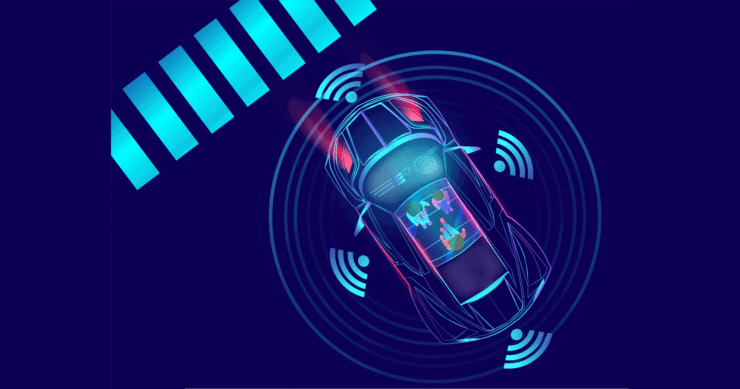
Adaptive lighting systems rely on a network of sensors, cameras, and control algorithms to monitor and respond to environmental changes. These components communicate seamlessly to determine how the headlights should behave under specific driving conditions.
1. Sensors and Cameras
The system’s foundation lies in its ability to detect data from the vehicle’s environment. Sensors monitor factors such as steering angle, vehicle speed, pitch, and yaw rate, while forward-facing cameras identify road curvature, lane markings, and oncoming vehicles. Some advanced systems even use GPS data to anticipate curves or elevation changes ahead of time.
2. Control Unit and Algorithms
Once the sensors and cameras collect data, the control unit processes this information using complex algorithms. These algorithms analyze the driver’s behavior and external environment to determine the most appropriate lighting pattern.
3. Headlight Actuators
After receiving commands from the control unit, actuators within the headlamp housing adjust the beam’s direction, height, or shape. These mechanical and electronic adjustments occur almost instantaneously, ensuring smooth and precise adaptation without distracting the driver.
4. Real-Time Adjustment
The key strength of adaptive lighting lies in its responsiveness. The system can automatically dim high beams when it detects oncoming traffic or increase brightness on dark rural roads. This adaptability makes night driving not only safer but also more comfortable for everyone on the road.
Types of Adaptive Lighting Systems

Adaptive lighting technology comes in several forms, each utilizing different mechanisms and levels of sophistication.
1. Adaptive Front-Lighting System (AFS)
AFS is one of the earliest and most widely implemented adaptive systems. It adjusts the headlight direction based on steering input and vehicle speed. For example, when turning the steering wheel, the lights pivot toward the turn to illuminate the road ahead. At higher speeds, the beam lengthens to extend visibility, while at lower speeds, it shortens and widens for better illumination of nearby surroundings.
2. Matrix LED Headlights
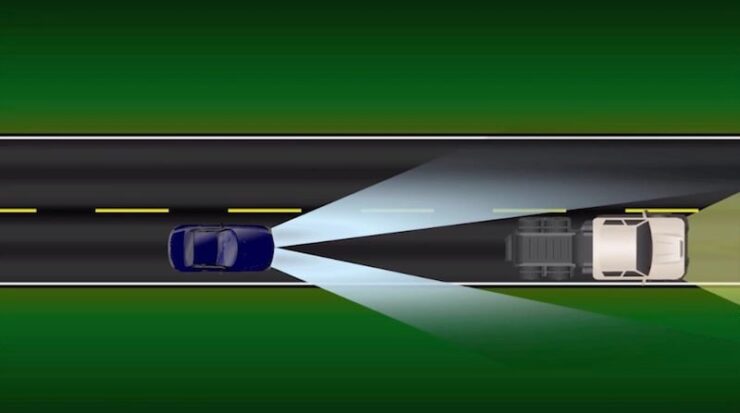
Instead of a single beam, they consist of multiple small LED segments that can be individually turned on or off. When a camera detects another vehicle, the system automatically deactivates only the segments that would cause glare, maintaining maximum brightness in other areas. This ensures full illumination without blinding other drivers.
See also : The Role of Optical Systems in Shaping Autonomous Vehicle Technology
3. Laser Headlights
The most advanced (and currently the most expensive) form of adaptive lighting, laser headlights produce an extremely bright and focused beam capable of reaching distances of up to 600 meters—nearly twice as far as LED systems. Despite their power, laser headlights consume less energy and are remarkably compact, allowing manufacturers to design more aerodynamic and stylish headlight assemblies.
Benefits and Safety Impact
The advantages of adaptive lighting technology extend beyond simple illumination—it fundamentally transforms the driving experience, improving both safety and efficiency.
1. Enhanced Nighttime Visibility
Adaptive lighting provides optimal light distribution across varying road conditions. Drivers can better detect pedestrians, obstacles, and animals, especially on dark or curvy roads. The ability to adapt automatically reduces the chances of overdriving the headlights’ range, a common cause of night accidents.
2. Reduced Glare for Oncoming Traffic
One of the major safety benefits is glare reduction. Traditional high beams often blind approaching drivers, increasing accident risks. Adaptive systems automatically dim or redirect beams to avoid dazzling others, maintaining mutual visibility and safety.
3. Improved Driver Comfort and Confidence
With adaptive lighting, drivers no longer need to manually switch between high and low beams. The system’s automation allows them to focus entirely on driving, resulting in reduced stress and fatigue during long nighttime journeys.
4. Energy Efficiency and Sustainability
Modern adaptive systems often utilize LED or laser sources, both of which are more energy-efficient than halogen bulbs. This not only reduces power consumption and CO₂ emissions but also extends the lifespan of the lighting components, lowering maintenance costs over time.
Adaptive lighting technology represents a remarkable leap in automotive innovation. As car manufacturers continue integrating advanced sensors, cameras, and AI-driven algorithms, the next generation of adaptive headlights will become even more precise and predictive—perhaps even capable of communicating with other vehicles and infrastructure in a fully connected transportation ecosystem.
Frequently Asked Questions
What is adaptive lighting technology in cars?
Adaptive lighting technology automatically adjusts a vehicle’s headlights according to road, speed, and traffic conditions to enhance visibility and safety.
How does adaptive lighting improve night driving?
It provides optimal illumination on curves and dark roads while reducing glare for oncoming drivers.
What are the main components of adaptive lighting?
Sensors, cameras, control algorithms, and actuators work together to adjust beam direction and intensity in real time.
What types of adaptive headlights exist?
Common types include Adaptive Front-Lighting Systems (AFS), Matrix LED headlights, and Laser headlights.
Do adaptive headlights save energy?
Yes. They often use LED or laser technology, which consumes less power and lasts longer than halogen bulbs.
Are adaptive lighting systems expensive?
They tend to cost more initially but improve safety, reduce maintenance, and enhance long-term driving comfort.