

The optical sector is leading the way in innovation at the moment due to rapidly advancing technology and shifting consumer demands. Lenses that avoid eye issues and integrate with digital technologies are becoming more popular than just vision correction. Important conclusions show that artificial intelligence-powered product personalization is essential.
From blue light exposure to various eye needs, consumers are requesting solutions that are tailored to their lives. Any business hoping to remain relevant and take the lead in a market that is becoming more and more competitive must comprehend these tendencies. Important facts concerning the worldwide optical industry market that you should be aware of are covered in the text that follows.
4 Crucial Insights into the Worldwide Optical Industry Market
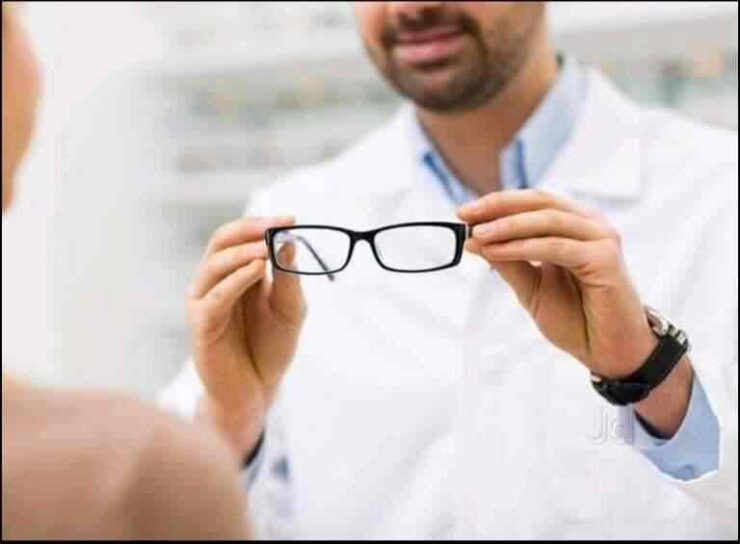
Current technical developments and heightened global awareness of eye health are causing major changes in the global optical business. Any business owner hoping to survive and prosper must have a solid understanding of this market; it is not an option. Thus, in the thorough discussion that follows, let’s examine the numerous crucial facts you should be aware of regarding the global market for the optical business.
1. Steady expansion of worldwide industry
Due to an increase in visual issues, especially in developing nations, the market for the optical industry is expanding steadily and promisingly on a global scale. This consistent expansion includes the contact lens market and high-end sunglasses in addition to the demand for traditional corrective eyeglasses. The aging of the world’s population and growing public awareness of the significance of eye health are the main causes of this phenomenon.
The industry is a reliable investment opportunity since investors and business owners can rely on a stable foundation and minimal risk of fluctuations due to the growing need for vision correction globally. The market will continue to expand in a targeted way and be propelled by cutting-edge innovation thanks to this trend, which also presents important potential for businesses that prioritize research and development.
2. The Impact of Style and Beauty on Eyewear

Fashion trends are having a bigger impact on the global optical sector, turning eyewear from a functional requirement into a major fashion statement. Eyeglass frames are becoming a distinctive accessory thanks to partnerships between internationally recognized designers and eyewear companies. This change shows that visual elements are much more significant than just vision correction.
According to market research, buyers are prepared to pay more for frames that express who they are and adhere to current styles, like large shapes or striking hues. This demonstrates the close ties between the global luxury fashion industry and the eyeglasses sector. To make sure their goods stay relevant to the quick changes in fashion cycles, the worldwide optical business must thus continue to closely monitor fashion events and influencers.
3. The Growth of Online Sales
The notable rise in online sales, which was driven by changes in consumer purchasing habits after the COVID-19 outbreak a few years ago, is another important indicator of how the worldwide optical industry is evolving. These days, consumers can compare the costs and styles of eyeglasses from several companies without ever leaving their homes thanks to e-commerce sites.
Data indicates that client loyalty to particular digital platforms has been strengthened by the convenience of automatically placing recurrent contact lens orders. It is essential for business owners to comprehend how rapid delivery systems and platform algorithms operate. A rapidly expanding market is lost if these digital avenues are ignored.
See also : Frame Your Success: Modern Marketing Strategies for Optical Business
4. The Importance of The Kids and Teens Segment
The growth of the optical sector globally nowadays is also greatly influenced by the children and teen market. The prevalence of vision issues, especially myopia, has dramatically increased due to the development in digital activities, such as the widespread use of devices for leisure and education. Because of this, there is a steady, non-cyclical demand for glasses, contact lenses, and routine eye exams.
In order to provide items that are not only corrective but also long-lasting, fashionable, and equipped with blue light-blocking technology, manufacturers must now innovate. Driving the creation of safer and more aesthetically pleasing designs and materials is the responsibility of this category. A crucial component of success in this fiercely image-conscious sector is the capacity to anticipate and react to young fashion trends.
It is evident from this analysis’s conclusion that the global optical market is situated at the nexus of expanding demands for eye health and innovation. An increasing aging population and more time spent in front of screens, which exacerbates myopia, are the two main causes of this expansion, according to important findings. Companies in this field should concentrate on developing more sophisticated anti-glare coatings and smart lens technologies.
Additionally, tele-ophthalmology is revolutionizing the delivery of care by increasing accessibility in remote locations. The ability of industry participants to combine technological innovation with the delivery of morally sound and reasonably priced eye health services globally will be crucial to their future success.
Frequently Asked Questions
What are the primary drivers of the optical industry’s consistent global growth?
The rising prevalence of vision impairment globally and rising public awareness of eye health are the main drivers of this sector’s growth.
What impact have fashion trends had on the eyeglasses market?
Customers are now willing to pay more for stylish frames since glasses have evolved from a practical requirement to a fashion accessory.
What role has e-commerce played in this change in the optical sector?
The simplicity with which customers may compare costs, choose styles, and place repeat orders for contact lenses has led to a sharp rise in online sales.
What are the biggest obstacles to optical companies’ continued relevance?
Globally, businesses must be able to integrate modern technologies with morally sound and reasonably priced eye care services.