

Accurate optical instruments are now a need rather than a luxury for experts in a variety of fields. Consider a forensic scientist examining evidence or a landscape designer who must calculate slopes to the closest millimeter. Every measurement and observation is carried out with a high level of precision thanks to instruments like stereoscopic microscopes and optical levels.
Precise optical instruments, like spectrometers and infrared cameras, provide detailed visual analysis by exposing features that are not visible to the human eye. Purchasing this equipment is an investment in your work’s dependability and caliber. This dependability of outcomes is what separates genuine specialists in their field from regular employees and fosters trust among consumers and industry authorities.
5 Best Optical Devices for Professionals
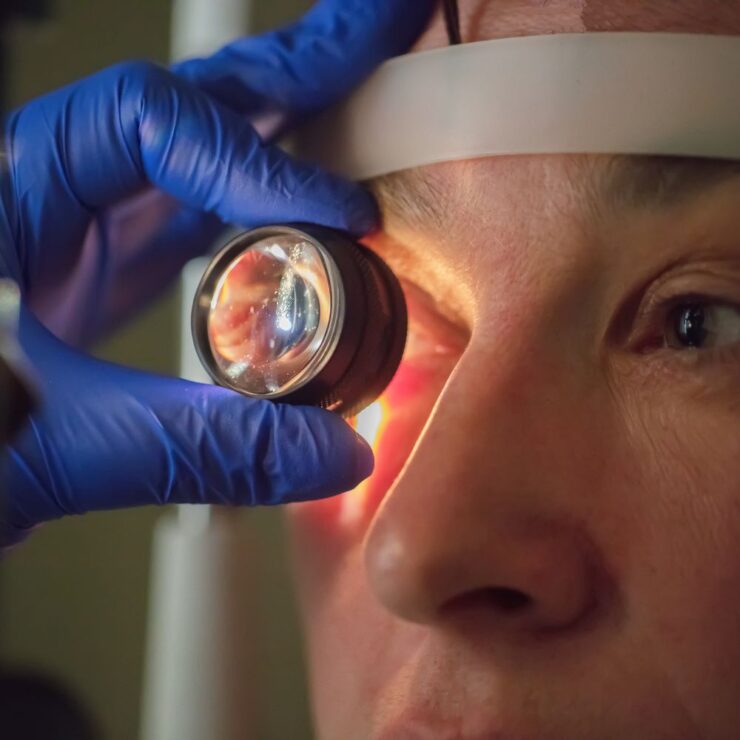
Good work performance is closely linked to optimal vision quality. Imagine losing concentration while working on an important report simply because of glare or dry eyes. This is a key reason why professional workers need to consider the best optical devices available on the market. Here are some examples of optical devices known for their reliability and frequently used by professionals in their workplaces.
1. Blue light-blocking specs
Anti-blue light glasses are becoming more than simply an accessory for professionals who spend a lot of time in front of screens. These eyeglasses are made especially to lessen exposure to the dangerous blue light that is released by tablets, smartphones, and PCs. Increased eye comfort, less fatigue, and a markedly lower risk of eye strain headaches are the obvious outcomes.
These glasses’ ability to maintain crisp focus and clarity of vision makes them a crucial tool for increasing productivity in day-to-day tasks. Consequently, purchasing these glasses is a smart move if you want to preserve your eye health and productivity over the long run. They promote peak performance without sacrificing health.
2. Portable digital microscopes

For specialists who need to conduct in-depth field inspections, portable digital microscopes have become a cutting-edge optical option. These little devices get beyond the drawbacks of large, traditional lab microscopes. From geologists to electronics specialists, technical personnel can swiftly detect issues thanks to the high magnification capabilities and immediate digital image output.
They are extremely useful due to their portability to isolated or cramped areas. Decisions based on microdata can now be made directly on the jobsite, greatly increasing diagnostic precision. The visual evidence provided by these microscopes expedites the approval and validation process rather than depending on arbitrary verbal explanations. Standardizing technological communication amongst teams has advanced significantly with this.
3. Telescopes for inspection
Inspection telescopes offer a cutting-edge non-destructive technique for civil engineers and construction specialists. These optical tools can be placed through tiny holes in concrete constructions to examine the strength of steel reinforcement or find leaks without causing damage. In this manner, existing structures or bridges can have their structural integrity examined without interfering with their functionality.
Large-scale infrastructure projects benefit from safer and more informed decision-making made possible by the accuracy and speed of problem detection provided by inspection telescopes. By using this method, experts can precisely pinpoint issues and schedule necessary fixes, preserving maintenance’s time and financial effectiveness.
4. Loupes for professional healthcare workers
The quality of the optical equipment utilized has a significant impact on the success of microsurgical procedures. The ability to detect tiny blood vessels or nerve fibers clearly with loupes can make the difference between a successful and unsuccessful surgery. These instruments are also used extensively by dermatologists and ophthalmologists for in-depth examinations, in addition to surgeons.
In minimally invasive surgery, the use of loupes greatly increases the accuracy of procedures like implant placement and tight suture. High levels of precision allow doctors to work with patients, lowering the possibility of mistakes and accelerating their recuperation. A crucial first step in improving clinical results and upholding one’s professional reputation is purchasing high-quality loupes.
See also : Finding the Perfect Coat: Comparing Today’s Top Lens Coatings
5. Mirrorless and DSLR cameras with optically precise lenses
In the realm of e-commerce and product photography, meticulousness is essential. The incredibly crisp macro lens on a DSLR camera may clearly capture the texture of objects, fabric strands, or jewelry details. For uploaded images to accurately depict the actual goods, the lens’s capacity to reproduce color is essential. This boosts customer confidence and lowers refunds.
A good lens can manage the stark contrast between a bright window and a dark location while maintaining the details in both. Planning future projects, presenting them to clients, and developing a portfolio all depend on accurately capturing this area. Brand iconography on business websites, yearly reports, and professional media profiles is greatly influenced by these high-quality photos.
Clearly, professionals need optical equipment for more than just vision correction. Reducing eye strain requires the use of premium anti-glare coatings. For everyday use, choose a frame design that is both strong and lightweight. Making the right choice ensures that you will remain focused throughout the workday.
Frequently Asked Questions
For professionals, what are the primary advantages of blue light-blocking lenses?
By lowering screen blue light exposure, these lenses can lessen eye strain and increase comfort when working for extended periods of time.
What is the purpose of inspection telescopes used by civil engineers?
Without causing any harm to already-existing structures, these tools are used to check concrete constructions, like reinforcing steel, for leaks.
What function do loupes serve in surgery?
Loupes increase the visibility of small blood vessels or nerve fibers, which increases the accuracy of microsurgical techniques.
Why are portable digital microscopes necessary for geologists?
They can conduct in-field, high-magnification, thorough inspections thanks to portable microscopes.