
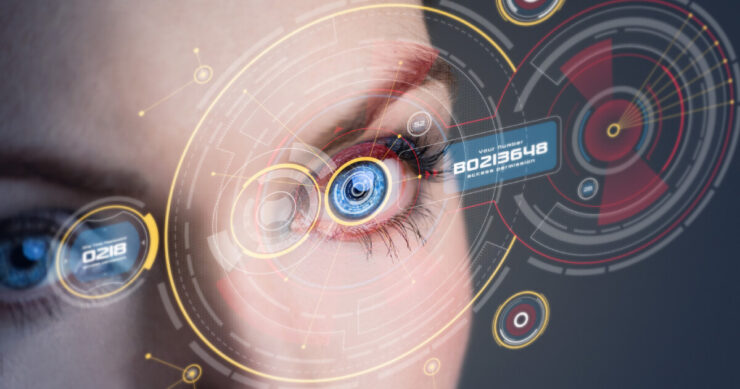
Smart lens integration in devices is a sign that this technology is developing significantly. We can rely on smart lenses for various daily activities without looking conspicuous, and can improve our vision. In this article, we will explain the benefits and challenges of implementing smart lenses integrated with devices.
What Are the Benefits of Smart Lenses Integrated into Devices?

The advantages of using smart lenses depend on the features available. As a technology consultant, I feel that the use of smart lenses needs to be expanded, especially for those who need extra care for their eyes. I will explain further about the benefits of smart lens integration in devices:
Supporting Eye Health Care
Using smart contact lenses may seem daunting to some people because the technology is embedded on the surface of the eye. However, this technology can support eye health through precise and comprehensive monitoring of eye conditions.
For example, we can easily determine blood sugar levels through the lens’s detection system that monitors our tears. This technology can prevent eye health issues while improving vision. Smart lenses are non-invasive yet effective in detecting eye disorders.
The way smart contact lenses work relies on sensitive sensors that measure various parameters. In the future, we can expect more advanced sensors that can detect issues more precisely and quickly.
For those with chronic conditions, smart lenses can be a reliable solution. When conditions worsen, smart lens users can anticipate them more wisely because they can detect critical situations immediately.
Addressing Daily Challenges
Augmented reality is increasingly being used, including with smart lens integration in devices. Smart contact lenses can show real-time navigation directions without relying on other devices. This is a common example, but it is very useful for those who are highly mobile.
Another interesting example is when you need translation while conversing or watching content. The translation results will appear directly in real-time, so you can understand the dialogue without interruption.
Supporting Exercise Performance
Not only as a solution for everyday situations, smart contact lenses can also be relied upon to support your exercise program. We can see various key data needed to monitor our exercise performance. The data stored in the smart contact lens system can be used to provide movement recommendations or other useful advice.
This benefit may already be familiar to those who use smartwatches. The function of smart lenses to support exercise performance is similar to that of some detection devices. However, this is a much more compact and practical version.
See also : Innovative Optical Sensor Applications and Future Trends
Improving Vision
Using smart contact lenses can also help those with vision problems. Smart lens users can enlarge text, increase brightness, and access many other features. Even if users have visual impairments, they can still see their surroundings clearly.
This innovation can improve the perspective of those with visual impairments without having to undergo painful treatments. Of course, there are other benefits that can be obtained from this lens technology. We can also hope for further developments so that contact lenses have more complete functions and are easy to use by anyone.
Smart Lens Implementation Challenges
Many companies are interested in developing smart contact lenses. The development of this technology is indeed very promising as it provides a solution that is relevant to the needs of many people. Although promising, there are various things that must be anticipated in the implementation of smart lens integration in devices.
Here are some common challenges that need to be addressed to ensure smart lenses are sufficiently perfected:
Compact Requirements
Smart contact lenses are small in size, so each component must also be very lightweight. Without extra-efficient components, smart contact lenses will not be comfortable to use.
Different Standards in Each Country
Different countries may have varying regulations regarding the use of smart contact lenses. Production standards may differ in terms of safety, medical requirements, hygiene, sustainability, and other aspects. It is crucial to conduct thorough testing to ensure reliable and legally compliant results.
Eye Health Risks
One essential point in the development of smart lenses is how this compact technology does not adversely affect eye health. Since they will be used for long periods, smart lenses must be free from potential irritants. Those who wish to use smart lenses must learn the proper steps for use. By doing so, the risks associated with using these lenses can be avoided.
Frequently Asked Questions
What are the drawbacks of smart lenses?
Depending on the lens product used and how it is used, potential risks include vision problems at night and blurred vision at certain times. Other drawbacks of smart lenses that need to be anticipated include dry eyes, discomfort, infection, and so on.
What should be considered before smart lens surgery?
Learn about the potential side effects of this treatment so they can be anticipated, including increased sensitivity to light and blurred vision. It is important to follow post-operative care instructions to ensure a faster and safer recovery.
Is it safe to use smart contact lenses?
Smart lenses are designed with biocompatible materials, so you don’t need to worry as long as they are used correctly. There are various adjustments to smart lenses to suit the needs of the user.
What features can be used with smart lenses?
Smart lenses have far more functions than traditional lenses. Smart lens integration in devices relies on various advanced components, including effective and precise sensors.