

In the modern technological era, Optical Science plays a central role in innovations that shape how we communicate, diagnose diseases, and explore the universe. From fiber-optic communication and laser technology to medical imaging systems and quantum photonics, optical science fuels advancements across multiple disciplines.
As industries increasingly rely on light-based technologies, the demand for professionals trained in optical science and optical engineering has surged, making this field an exciting and future-proof area of study.
Universities for Optical Science Degrees
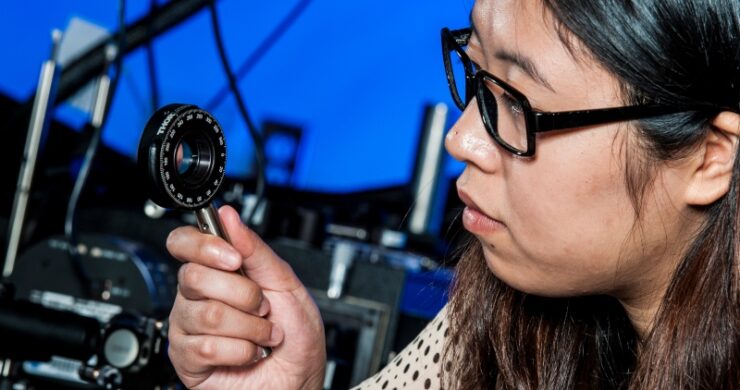
Below are ten of the world’s leading universities recognized for excellence in optical science education, cutting-edge research, and outstanding career opportunities for their graduates.
1. University of Rochester – Institute of Optics (USA)
Location: Rochester, New York
Academic strengths: Established in 1929, the Institute of Optics is one of the first academic centers dedicated solely to optics. It offers specialized degrees at all levels focusing on optical design, lasers, imaging, and photonics.
Research facilities: The university hosts advanced labs for optical fabrication, laser energetics, and imaging science.
Career opportunities: Graduates are sought after in industries related to optics manufacturing, defense technologies, and optical instrumentation.
2. Stanford University – Department of Applied Physics (USA)
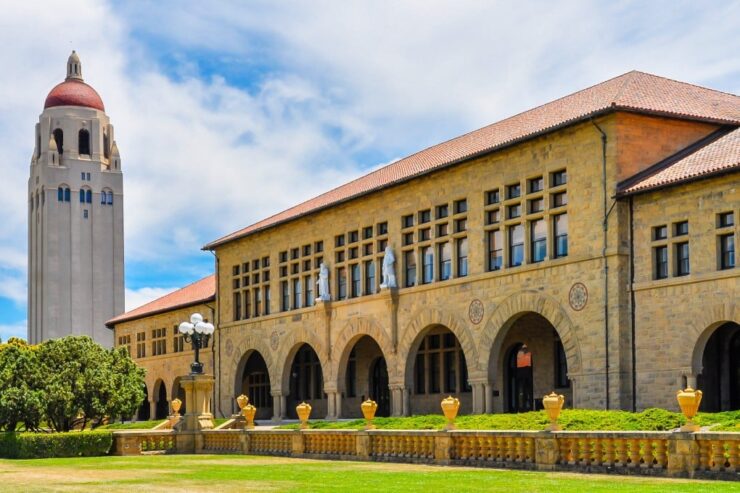
Location: Stanford, California
Academic strengths: Stanford is renowned for its interdisciplinary approach, combining optical science with applied physics and electrical engineering.
Research facilities: The Stanford Nanofabrication Facility supports research in nanophotonics, integrated optics, and quantum light systems.
Career opportunities: Alumni frequently enter tech giants, startups, and national research centers focused on optical technologies and quantum computing.
3. Massachusetts Institute of Technology (MIT) – Research Laboratory of Electronics (USA)
Location: Cambridge, Massachusetts
Academic strengths: MIT emphasizes innovation and application, with optical science integrated into its electrical engineering and materials programs.
Research facilities: The Research Laboratory of Electronics and Microphotonics Center lead projects in laser development, optical communications, and photonic integration.
Career opportunities: Graduates often pursue roles in R&D, data communications, imaging technology, and academic research.
4. University of Arizona – College of Optical Sciences (USA)
Location: Tucson, Arizona
Academic strengths: One of the largest optical science colleges worldwide, known for hands-on optical engineering and imaging science programs.
Research facilities: Equipped with cutting-edge labs for optical metrology, lens design, and adaptive optics, plus collaborations with major observatories.
Career opportunities: Alumni find roles in aerospace, defense, medical imaging, and telescope design.
See also : Exploring Career Growth in Optical Engineering
5. Imperial College London – Department of Physics (UK)
Location: London, England
Academic strengths: Imperial is a European leader in photonics, fiber optics, and laser systems. The program bridges fundamental physics with practical applications.
Research facilities: Home to the Photonics Research Group and extensive collaborations with European industry partners.
Career opportunities: Graduates often join telecommunications, biomedical optics, and energy-related industries across the UK and Europe.
6. Tsinghua University – Department of Electronic Engineering (China)
Location: Beijing, China
Academic strengths: Tsinghua’s optical science program combines rigorous theoretical study with practical applications in optoelectronics and laser technology.
Research facilities: Supported by national laboratories focusing on integrated photonics and optical communications.
Career opportunities: Graduates lead in Asia’s rapidly expanding sectors like telecom, semiconductor optics, and quantum photonics research.
7. University of Southampton – Optoelectronics Research Centre (UK)
Location: Southampton, England
Academic strengths: A global leader in photonics and fiber optics research. The Optoelectronics Research Centre (ORC) pioneered key technologies in laser and optical fiber development.
Research facilities: Extensive fiber fabrication facilities and high-power laser labs used by both students and industrial partners.
Career opportunities: Graduates often join companies specializing in optical communications, photonic devices, or defense research.
8. University of California, Santa Barbara (UCSB) – Materials & Electrical Engineering (USA)
Location: Santa Barbara, California
Academic strengths: UCSB integrates materials science with optical engineering, emphasizing photonic materials, semiconductor lasers, and integrated optics.
Research facilities: The California NanoSystems Institute supports interdisciplinary research in quantum photonics and optical nanostructures.
Career opportunities: Alumni find positions in leading photonics firms, semiconductor companies, and startups developing laser-based devices.
9. California Institute of Technology (Caltech) – Division of Physics, Mathematics, and Astronomy (USA)
Location: Pasadena, California
Academic strengths: Caltech offers a highly research-focused program with deep exploration in laser physics, optical instrumentation, and fundamental photonics.
Research facilities: Access to the Kavli Nanoscience Institute and collaborations with NASA’s Jet Propulsion Laboratory for space-based optical systems.
Career opportunities: Many graduates pursue advanced research or join aerospace and high-tech companies developing next-generation optical systems.
10. University of Cambridge – Cavendish Laboratory (UK)
Location: Cambridge, England
Academic strengths: Cambridge provides a strong foundation in optical physics, quantum optics, and imaging technology, blending theory with experimental methods.
Research facilities: The Cavendish Laboratory and Nanophotonics Centre offer world-class environments for optical research.
Career opportunities: Graduates often pursue academic research, work in imaging and photonics startups, or join international technology firms.
As global industries continue to depend on light-based technologies for data transmission, sensing, and energy, experts in optical science and engineering will remain in high demand. With the right mix of technical expertise and creative vision, graduates in optical science will continue to illuminate the future of technology and discovery.
Frequently Asked Questions
What is Optical Science?
Optical Science studies how light behaves and interacts with matter, forming the foundation for technologies like lasers, imaging, and fiber optics.
Which universities are best for Optical Science?
Top institutions include the University of Rochester, MIT, Stanford, University of Arizona, Imperial College London, and Tsinghua University.
What careers can graduates pursue?
Graduates work in photonics, telecommunications, aerospace, defense, and medical imaging.
Is Optical Science highly technical?
Yes, it involves physics, mathematics, and engineering skills.
Why study Optical Science now?
Because light-based technologies drive innovation in communication, healthcare, and quantum research.